
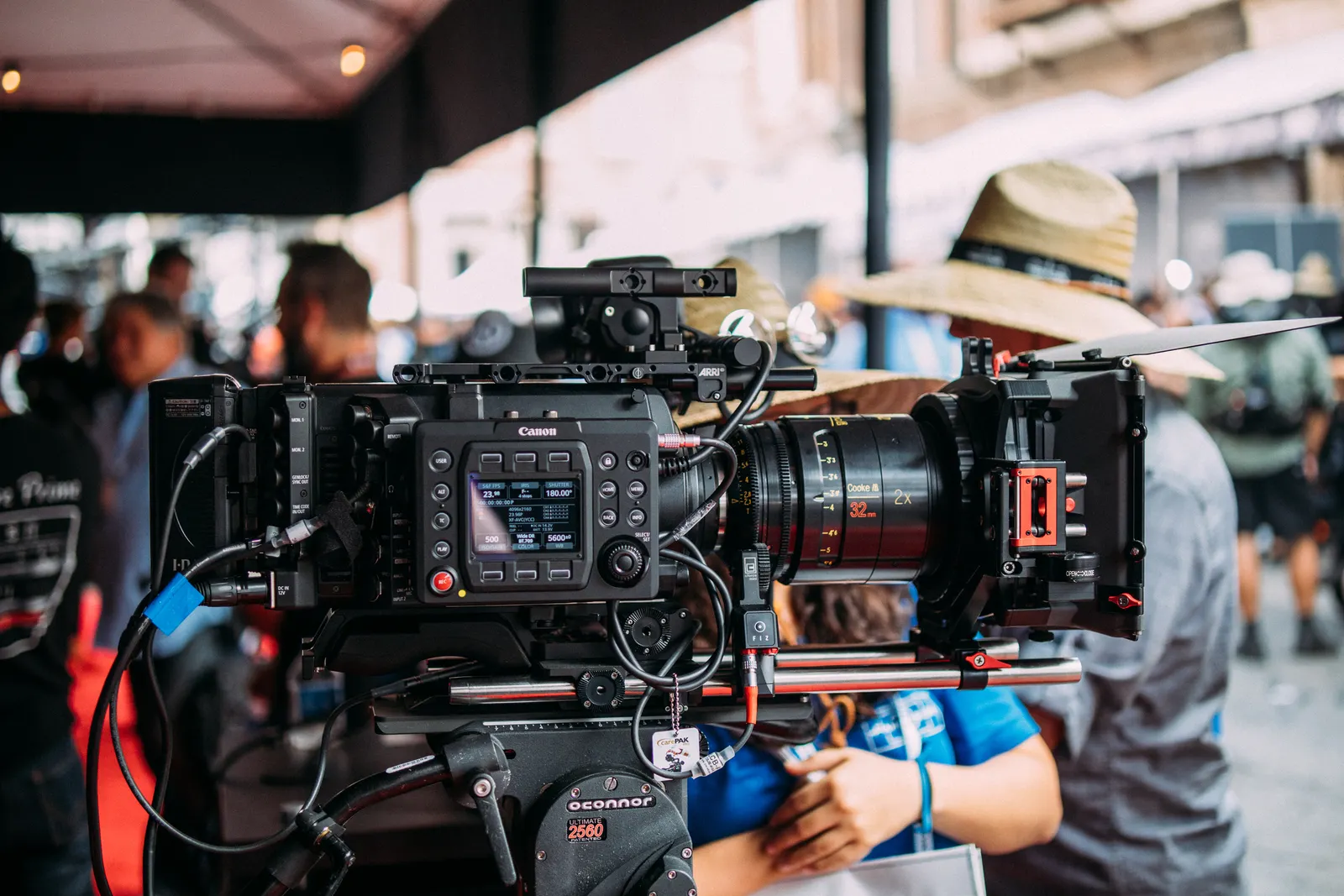


Choose a one-off video shoot when you have a defined need with an endpoint: an opening, a product launch, an event or a planned collection of service videos. Choose a monthly video content retainer when you need fresh videos regularly and have a reliable way to prepare, approve and use them.
The deciding question is not how often you want to post. It is how often you need new production work, and how much of it requires fresh recording. A single shoot can supply a collection of videos for later publication. A monthly arrangement can involve one batch session or several shorter visits, depending on the agreed scope.
For some Dubai businesses, the right answer is a combination: capture the durable material once, then commission new production when the message or subject genuinely changes.
Match the arrangement to the work
| Your situation | Stronger starting point | Why it fits |
|---|---|---|
| A launch or event with a fixed brief and date | One-off project | Production has a clear purpose and endpoint. |
| A library of explanations that will remain accurate | One planned batch, then refresh when needed | You can keep using suitable content without automatically filming it again. |
| New products, demonstrations or customer questions need fresh recordings regularly | Monthly production | Repeated filming and delivery can be planned around recurring demand. |
| A new format with no established approval or publishing routine | A defined initial production | You can learn what the process requires before choosing an ongoing arrangement. |
| Regular explanatory content plus occasional larger campaigns | Recurring production with separately scoped projects | Routine work and exceptional shoots can receive the attention each needs. |
These are starting points, not rules based on company size. An established business can need only a specific project. A small business can have a genuine recurring requirement.
A one-off shoot can produce more than one video
A single booking does not have to end with a single film. With the right brief, a shoot can capture several demonstrations, customer questions or service explanations. The editing and final deliverables need to be included in the agreed project; booking camera time alone does not establish what finished content will arrive.
Think about the content's shelf life: how long will the message and what viewers see remain useful and accurate? Evergreen explanations and a fixed set of launch assets can suit a planned batch. Changing stock, recurring demonstrations, new FAQs or a continuing presenter series can justify recurring production. Review whether the information and visuals still represent the business before deciding to replace them.
It can also suit a moment you cannot recreate: a business opening, a scheduled interview or an event. Plan what must be captured on that date and how the material will be used afterwards.
The limitation appears when the next useful message needs something the original shoot never captured. A collection of general premises footage cannot demonstrate a newly introduced product. Re-editing can extend suitable material, but it cannot supply missing evidence.
You can still return to the same production team for later projects. Buying one-off work does not require changing suppliers each time.
A monthly retainer works when the need repeats
Recurring production becomes useful when there is a clear next batch of subjects to record: new demonstrations, changing services, fresh questions or a continuing presenter-led series. You may also need regular new edits or versions from suitable existing footage, without another shoot. Scope the work around that need.
Its practical advantage is the opportunity to establish a repeatable routine for briefs, recording, feedback and delivery. That routine needs to be agreed. A monthly invoice alone does not guarantee priority access, the same crew, strategy or performance reporting.
Match recording dates to when the subject is available. If products arrive at different points in the month, one large session at the beginning may not capture what you need later. If all the information is ready together, batch filming may be easier to organise.
For a Dubai location shoot, consider access to the premises, staff availability and whether the business can operate normally while filming takes place. For explanations that do not require showing the premises, studio production may remove that particular scheduling constraint.
Your internal work also repeats. Someone still needs to supply accurate information and approve the content. If completed videos keep waiting for approval or never reach publication, investigate that bottleneck before increasing production volume.
Identify the work your next production cycle needs
Before choosing a recurring arrangement, write down the next production task. It might require fresh recording or a new edit of suitable existing material. Make it specific enough to brief a producer.
“Keep our social media active” describes a publishing goal. “Demonstrate the new equipment arriving next month” describes a production need.
Use four questions:
- What needs producing? Identify the message and whether it needs new footage or an edit of material you already have.
- When will it be ready? Check access, factual information, scripts and anyone who needs to participate.
- Who will approve it? Give one person responsibility for gathering the business's feedback.
- Where will it be used? Name the intended channel or campaign and the person responsible for getting it live.
If those answers repeat predictably, monthly production has a practical foundation. If the next need is distant or uncertain, a defined project or periodic refresh may fit better.
An initial production can help you assess creative fit, preparation effort and the approval process. It is not, by itself, proof of the sales results a longer programme will deliver.
A Dubai example: durable explanations and changing equipment
Imagine an equipment-rental business in Dubai.
Its collection procedure, delivery process and basic service explanations may stay stable. Those subjects could be recorded as a planned project, with files and usage arrangements that support the intended reuse.
Later, a new machine arrives and customers need to see how it works. That requires fresh footage. If new demonstrations become a recurring requirement, regular production may make sense. If they happen occasionally, individual shoots may remain sufficient.
The business could also pair reusable footage with new presenter explanations, provided the footage is suitable and its reuse is covered. That does not make raw footage or later editing automatically included in the original purchase; arrange those elements when planning the work.
The choice follows what changes in the business, not an assumption that every active social account needs a new shoot each month.
Compare spending against content you will actually use
A retainer is not automatically cheaper. Compare the proposed spending over the same planning period, for work that meets the same need. Include editing, preparation, talent, locations and intended usage where relevant.
A lower price per delivered video is less attractive if you pay for videos you do not need. Equally, buying separate shoots can become inconvenient when the same production requirement keeps returning and each booking needs to be arranged again.
Look at the content already waiting to be used. If the issue is missing footage, production can address it. If the issue is delayed approval, an unclear message or nobody responsible for publication, commissioning more videos may simply add to the backlog.
Discuss how schedule changes, unused capacity and additional shoots would be handled before choosing an arrangement. Those details belong in the agreed scope; they should not be assumed from the word “retainer”.
When Lunasol's monthly production is a strong fit
Lunasol is particularly relevant when you need recurring presenter-led content but do not want the owner to perform on camera or coordinate an actor, studio and editor separately.
Our actor-led Reels packages bring the presenter, studio filming and editing together. Base production uses client-supplied, recording-ready scripts, with scriptwriting available separately.
This gives a business with recurring explanations or customer questions a clear way to keep producing them. Your team supplies the business facts and approvals; the on-camera performance and production can sit with Lunasol.
For a defined explainer, FAQ or other production brief, discuss the specific project rather than assuming a monthly package is the only route. Lunasol also quotes additional video work by the brief.
Separate your next video topics into two lists: material you can capture once, and material that will need updating or adding regularly. Use those lists to choose among Lunasol's video production options, so the arrangement follows the work your business needs.