
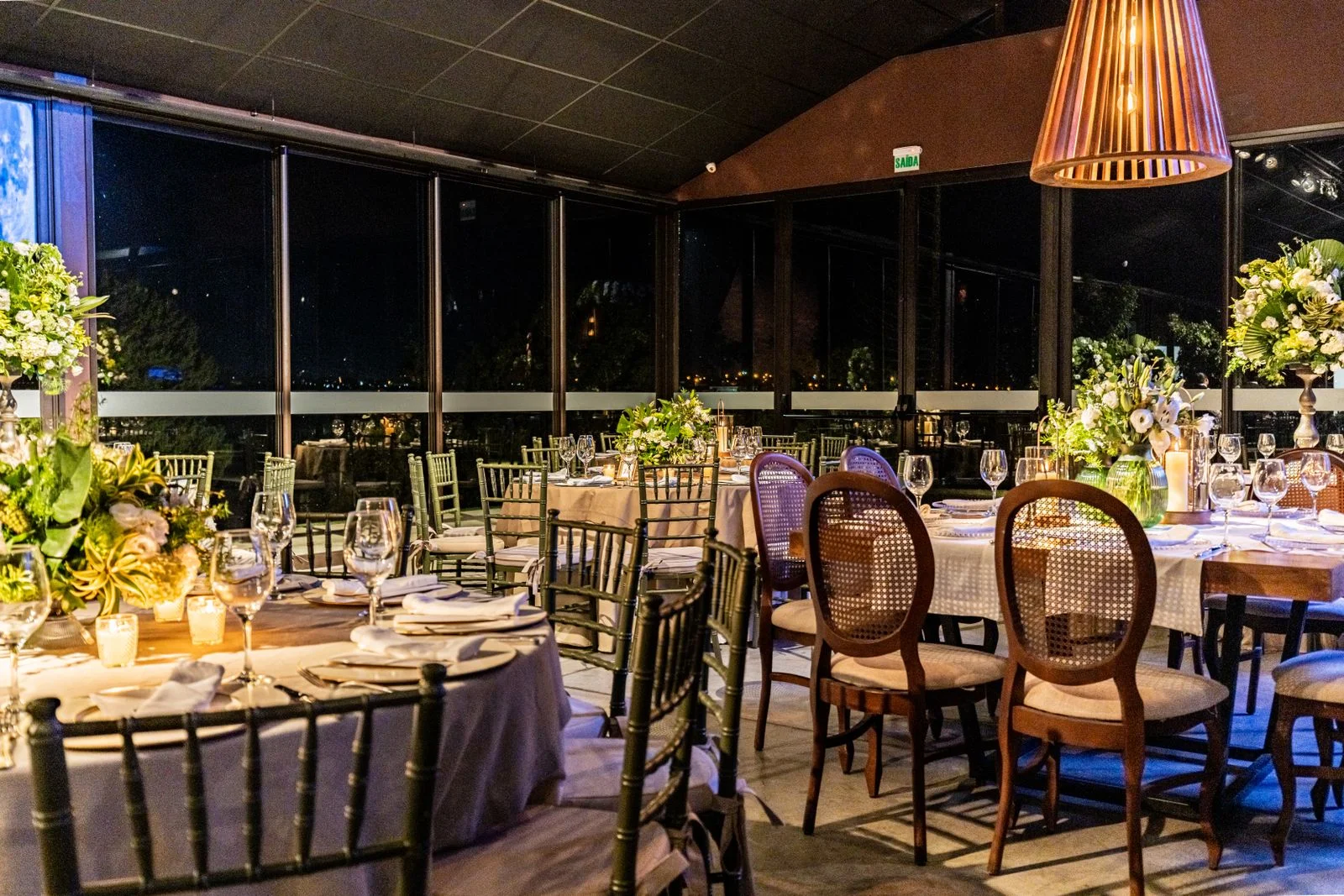


A restaurant in Dubai should hire a marketing agency around the demand it can serve: tables, delivery orders, private dining or events. These objectives require different information and different ways to judge results. More food videos can help discovery, but they cannot fix an unavailable booking link, an outdated menu or a campaign promoting a fully booked sitting.
LunaSol offers restaurant marketing in Dubai. Before asking for a proposal, identify one priority occasion and the commercial route behind it. A weekday lunch and a large private event are not interchangeable leads.
Choose the objective before the channel
| Objective | Information the customer needs | Useful destination | Outcome to review |
|---|---|---|---|
| Dine-in reservations | Menu, location, opening times and booking availability | Working reservation page | Confirmed and attended reservations |
| Nearby walk-ins | Exact location, access and current hours | Accurate location page or business profile | Available visit indicators, with attribution limits |
| Delivery | Delivery area, menu and ordering route | Current ordering page | Completed orders and contribution after costs |
| Private dining | Group suitability, room details and enquiry process | Private-dining page and form | Suitable enquiries and confirmed events |
| A specific occasion | Date, experience, inclusions and availability | Occasion-specific page | Bookings for that occasion |
A channel can support several objectives, but the campaign still needs one clear next step. Sending a private-dining enquiry to a standard table widget may lose the details your events team needs. Sending a diner who wants tonight's availability into a slow email conversation adds unnecessary friction.
Inspect the booking path on a phone
Open the advert or social profile as a customer would. Can you read the menu without pinching a tiny image? Does the location link open the correct branch? Does the reservation tool work on mobile, show the right sitting and explain whether the request is confirmed? If another company runs the booking system, identify who can correct errors and how you will reconcile bookings with campaign data.
Repeat this check for every branch you advertise. A Dubai-wide campaign with one generic address can create the wrong expectation for a diner choosing by travel time. Keep the website, profile and booking destination consistent about the location and the offer. Google's local ranking guidance highlights relevance, distance and prominence; posting frequency alone is not a substitute for a correct local presence.
Buy content that answers dining decisions
Ask the agency to plan footage around questions that affect the visit: what the space feels like, which dishes are actually available, how a group can use the venue and what the occasion includes. Capture the real service setting at an appropriate time. A polished montage may establish atmosphere, while a short host explanation may answer a practical question more directly.
The shot list should distinguish evergreen assets from time-sensitive offers. Label the validity of seasonal menus and one-off events so the team knows what to retire. Confirm filming access, participation and approvals before the shoot. Food preparation and staff availability need to fit the restaurant's operation rather than a generic social-content quota.
Start with the sitting or occasion you want to fill
A restaurant does not have one unlimited pool of capacity. A busy weekend dinner, a quiet weekday lunch and a private room available for an event are different commercial situations. Tell the agency which one needs attention. A campaign that increases demand for a service already at capacity may look successful in a report while doing little for the restaurant’s actual priority.
Write the priority in operational terms: the branch, days, sitting, audience and booking route. Explain any limits that affect the offer, such as the current menu, group arrangements or advance notice needed. The agency can then choose a message and destination that match the available experience. Do not begin by prescribing a number of Reels and assume that the commercial objective will follow.
Residents and visitors may need different information
A nearby resident may already know the neighbourhood but need a reason to choose a particular occasion. A visitor may need clearer arrival information and a reliable booking route. These are planning hypotheses to validate with your own customers, not universal claims about Dubai diners. Ask reception or the reservations team which questions repeatedly delay a booking, then make those answers visible.
What a useful restaurant agency scope includes
An agency may handle strategy, photography, filming, social publishing, ads and website changes, but those responsibilities need to be explicit. Ask who maintains the offer facts and who checks the booking destination. If your team manages the reservation system, the agency still needs a named contact to resolve errors. A campaign cannot be assessed fairly when the handoff between advertising and reservations is left undefined.
For a combined production and management brief, distinguish the original stories from the exports and publishing activity. A dining-room film, a dish explanation and an event introduction are different creative subjects. Reformatting one video for several placements creates useful versions but does not create several independently planned stories. The proposal should make that distinction clear without relying on a large headline content count.
Ask for a sample production brief and a sample commercial review. The first should show how the team decides what to film. The second should show how it connects activity to the stated restaurant objective. Relevant finished work is more useful than a showreel without context. Confirm whether the provider created the concept, filmed, edited, published or managed the campaign shown.
Build a private-dining page that helps the enquiry
Private dining often needs more context than a standard table reservation. The prospective organiser wants to know whether the space and experience fit the group, what information the venue needs and how the discussion proceeds. The page should make those points easy to understand. Avoid forcing the organiser to infer the whole offer from a photo gallery and a generic contact button.
| Page element | Decision it helps | Source to confirm |
|---|---|---|
| Actual room photographs | Whether the setting suits the occasion | Current approved images of the relevant room |
| Group arrangements | Whether the request is worth discussing | The venue’s real configuration and operating limits |
| Dining experience | What type of service is available | Current approved menu and event information |
| Enquiry details | What the organiser should send | Date, group size and other genuinely needed context |
| Next step | Whether this is a request or a confirmation | Reservations or events team procedure |
| Location and arrival | How guests reach the correct venue | Verified branch and access information |
Do not turn an enquiry form into an unconfirmed booking promise. Explain what happens after submission and who will respond. If the restaurant needs to check availability or discuss arrangements, say that clearly. Test a request from the published page, not only from an administrator preview, and confirm that the receiving team sees the relevant occasion and branch.
Plan a shoot around the dining decision
The useful footage depends on what the guest is deciding. Food close-ups can show a dish; a room sequence can explain atmosphere and layout; a host can clarify an occasion or booking process. Ask the agency to map every planned scene to a question. A visually attractive shot may still have a role, but it should not displace the information needed to make the visit understandable.
Coordinate with the kitchen and floor team. Confirm which dishes are current, when they can be prepared for filming and how the service area will be presented. If a photographed presentation differs from what guests receive, the content can create an avoidable expectation gap. The team should review the accuracy of the finished material as well as its visual appeal.
Capture evergreen material separately from occasion-specific offers. A venue walkthrough may remain useful for months, while an event date or seasonal menu can expire quickly. Label those assets with their intended use and review trigger. The publishing team should know which content remains current and which needs to be retired or revised when the offer changes.
A campaign example: improve weekday lunch demand
Imagine a fictional Dubai restaurant with capacity at weekday lunch and strong weekend demand. The first brief is to make the weekday experience easier to understand and book. It is not to increase every social metric. The restaurant confirms the current lunch offer, hours, menu source, branch and booking process. The agency checks whether those facts are consistent across the ad, profile and page.
The production plan might show arrival, the actual lunch dishes, the room at the relevant sitting and a short explanation of how to reserve. The destination should let someone inspect the menu and take the appropriate next step. The receiving team needs to know the offer being promoted. Before launch, a test reservation request confirms that the correct date and branch reach the system.
The review then asks whether the intended sitting received suitable demand and what happened after the request. If the restaurant receives questions about dinner instead, inspect the message and destination. If people request lunch but cannot find availability, inspect the booking setup and capacity. These are different corrections. The example illustrates a workflow, not a claim about results achieved for a restaurant.
Give each branch accurate local information
For a multi-branch restaurant, location accuracy is part of the commercial experience. A guest who sees one branch in a video but books another can arrive with the wrong expectation. Confirm the branch name, menu differences, hours and contact route used in each campaign. Keep the same facts available on the corresponding website page and public profile.
Ask the agency how updates are handled when hours, menus or the booking provider change. A launch checklist is not enough if nobody maintains the information afterward. Give the restaurant team an obvious way to request a correction and identify who confirms that it is live. The faster route should still preserve factual accuracy rather than create conflicting versions in several chats.
Read the agency report against the objective
Ask for the relevant commercial stages beside exposure metrics. For reservations, that may mean requests, confirmations and attendance. For delivery, it may mean completed orders and the costs affecting contribution. For private dining, it may mean suitable enquiries and confirmed events. Do not combine these different outcomes into one lead total and assume that each has equal value.
Use a consistent observation period and explain what can actually be attributed. A diner may discover the venue through a friend, inspect social content and later book directly. The available records may not reveal every step. The agency should make the measurement useful while retaining that limitation, rather than claiming that every booking during a campaign came from its adverts.
Distinguish the cost per table from the cost per guest
A reservation is a party, not a fixed number of diners. In a hypothetical planning example, a campaign costs AED 6,000 including media, management and allocated production. Suppose the business can supportably associate 40 attended parties, representing 100 diners, with the campaign. The arithmetic gives AED 150 per attended party and AED 60 per diner. Reporting one number without the unit makes comparisons misleading.
Those figures do not establish profitability. You still need the contribution from the relevant visits after costs, and you need to know whether the visits were genuinely additional. A diner who would have come anyway is not automatically incremental demand because they saw an advert. When that distinction cannot be established, report the observed bookings and the limitation rather than presenting the calculation as a proven return.
Use the calculation to ask better questions of the agency: are costs complete, are cancelled reservations removed from attendance, is party size available and does the reporting window match the campaign? The numbers in this example are invented, not a suggested Dubai acquisition cost. Replace them with your own records and keep the same definitions from one review to the next.
Questions about restaurant marketing in Dubai
Is Instagram content enough to increase bookings?
Content can help people understand and discover the restaurant, but bookings also depend on the offer, availability, menu information and reservation route. Inspect the full journey before adding more publishing. If a guest cannot reach the correct branch or complete the next step, more exposure alone will not repair the problem.
Should we advertise an offer when the restaurant is already full?
Clarify what the campaign is intended to achieve. If the promoted sitting is full, redirect the plan toward a genuinely available occasion or another legitimate objective, and update the message accurately. Avoid paying to create demand that the receiving team cannot fulfil while a different sitting remains the real business priority.
Do we need a new website for private dining?
Not necessarily. A useful page on the current website can be enough if it explains the room, arrangement and enquiry process and works well on mobile. Ask the agency to identify the actual limitation before recommending a full rebuild. The page should connect to the team that can discuss and confirm the event.
What should an agency film first?
Film the material that resolves the main uncertainty for the priority occasion. That could be the actual private room, the lunch experience, a route from entrance to table or a host explaining the booking process. Check existing footage first so the shoot fills a useful gap instead of reproducing material the restaurant already has.
Review commercial outcomes without guessing attribution
Suppose a campaign produces 30 reservation requests. That is an illustrative count, not a LunaSol result. If 24 are confirmed and 18 attend, report those stages separately. A request is not an attended table, and a table is not a fixed revenue amount. Group size, cancellations and spend vary. Where the booking system cannot identify the source reliably, label the uncertainty instead of attributing every booking to an advert.
For an agency brief, send the priority occasion, branch, capacity, menu source and booking link. Include the team member responsible for confirming reservations. LunaSol can discuss the content and campaign work through our restaurant service page. Our social agency selection guide covers the wider questions on access, production and approval responsibilities.