
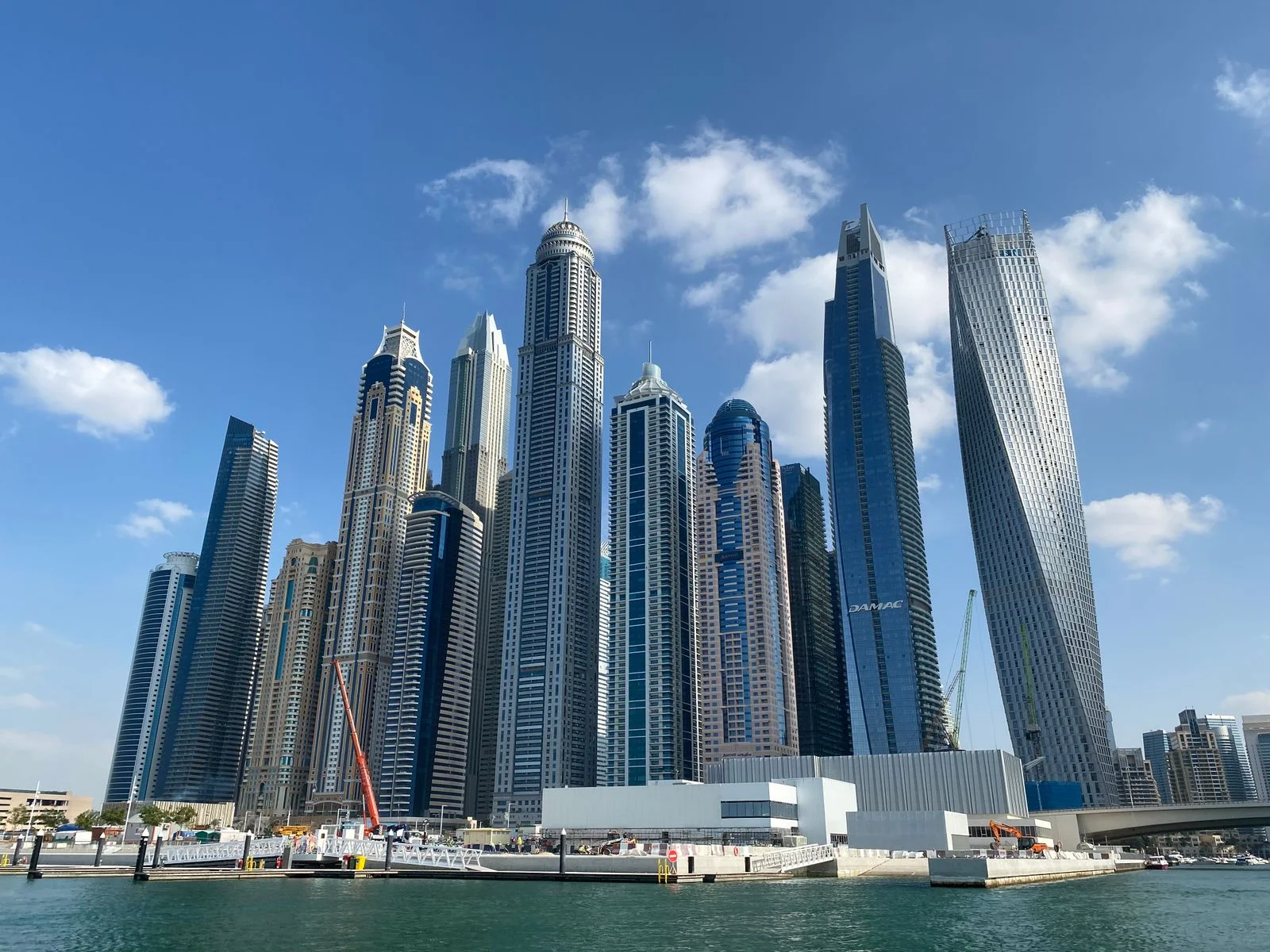


A Dubai real estate brokerage and a property developer should not buy the same marketing scope. A brokerage usually needs to connect available listings with suitable buyers, tenants or owners. A developer may need a coordinated launch, project explanation and sales-team handoff across a longer purchase journey. Choose an agency around that job before comparing creative output or lead prices.
LunaSol provides real estate marketing in Dubai. The framework below helps you brief that work and compare other providers. It is a purchasing guide for marketing services, not an investment recommendation or a promise of property sales.
Match the agency brief to the business model
| Decision | Brokerage brief | Developer brief |
|---|---|---|
| Priority inventory | Specific available listings or a defined area specialism | A verified project, phase or release |
| Main explanation | Property suitability, availability and viewing process | Project proposition, unit choices and purchase process |
| Production inputs | Access to actual properties and accurate listing facts | Approved project information and clearly identified visualisations |
| Enquiry routing | Assign by listing, area or agent responsibility | Assign by project, buyer needs and sales availability |
| Outcome review | Suitable enquiries and attended viewings | Qualified conversations and verified sales stages |
| Content maintenance | Remove or update unavailable inventory promptly | Update release information and approved project changes |
Ask for a complete enquiry journey
Give each shortlisted agency one real example: a currently available apartment, a landlord-acquisition brief or an approved project launch. Ask them to explain the ad, destination page, enquiry fields, agent notification and follow-up. A proposal that only specifies a number of posts leaves the operational work undefined.
For a viewing campaign, useful questions may include the property of interest, preferred contact method and intended timing. Ask only what the team needs to route the conversation. Requiring a long financial questionnaire before a basic viewing enquiry may discourage suitable people; collecting no context makes the agent repeat the entire qualification process. Test the balance with actual sales-team feedback.
Keep property claims tied to approved facts
Give the agency a current source sheet for availability, prices, dimensions, amenities and the status of imagery. Identify who can approve changes. Renderings should not be presented as photographs of completed work, and an aspirational completion date should not silently become a guaranteed delivery statement. If a fact changes, update the ad and its destination together.
Dubai Land Department's Madmoun guidance explains verification of real estate advertising through QR codes. Have the responsible property professional confirm the current permit and advertising requirements for the actual campaign. The agency's design process must accommodate the approved information, rather than leaving that review until after publication. Source checked on 3 November 2026.
Make the website useful beyond a single advert
A brokerage's area guide should help someone understand the service the brokerage actually provides there: the properties it handles, how enquiries work and who can answer detailed questions. Avoid dozens of near-identical area pages with only the neighbourhood name changed. A developer's project page needs a coherent source of approved project facts, with links to the next action and current supporting materials.
Clear business identity, accurate project information and evidence of the work help buyers assess the agency or property business. They also give search and answer systems more precise material to interpret. Publishing a page alone does not establish a recommendation or verify the claims inside it.
Choose one commercial objective before choosing channels
A real estate business can be trying to win instructions from owners, generate enquiries for available stock, support a project launch or build recognition in an area. These are not the same campaign. The message, evidence, page and receiving team differ. Ask the agency which objective its proposed work serves first, and what it would deliberately leave outside that initial scope.
Buyer and tenant enquiries
For a brokerage promoting available properties, the visitor needs accurate inventory information and a workable viewing route. The agency should know how stock changes are communicated and who updates the campaign. If a promoted property becomes unavailable, the business needs a defined response rather than continuing to advertise it as available. An alternative can be offered transparently, but it should not conceal that the original listing is no longer current.
Owner and landlord instructions
An owner-acquisition brief needs a different explanation. The owner wants to assess the brokerage’s service, process, area knowledge and responsibilities. A montage of available apartments may not answer how the firm markets a property, communicates progress or handles enquiries. Ask the agency to build the proposition around the actual instruction service and the evidence the brokerage can show for that work.
Developer project enquiries
A developer brief can require coordinated project information, approved imagery, a campaign destination and a sales process that remains consistent across several touchpoints. The agency should know which facts are approved for publication and which are still provisional. The marketing scope is to communicate accurately and support the enquiry journey; it should not turn projections or aspirations into investment guarantees.
Ask for the page layout, not just the campaign concept
A property campaign destination should help a visitor decide whether to continue. Ask the agency to show a wireframe using approved facts from the actual brief. This reveals whether the team understands the inventory and the buying question. A page with a large image and a contact form may be visually clean while leaving the visitor uncertain about what is being offered.
| Page element | Brokerage example | Developer example |
|---|---|---|
| Opening | Identify the available property or defined property search | Identify the project and the specific release being discussed |
| Core facts | Approved listing details and current availability | Approved project information and unit options |
| Visual evidence | Actual property images with accurate captions | Clearly identified photographs, renderings or illustrative material |
| Suitability context | Information relevant to the requested viewing | Information relevant to the project enquiry |
| Process | How the agent arranges the next conversation or viewing | What the sales team does after an enquiry |
| Contact | Route to the responsible agent or team | Route to the project sales team |
| Maintenance | Owner for inventory changes | Owner for project and release updates |
The layout should reflect the actual amount of information available. A page should not fill missing project facts with confident generic copy. Instead, make the current offer clear and identify the next appropriate conversation. Review the page on a phone with the agent who receives the enquiries. If that person has to correct the page’s promise during every call, the copy needs revision before scaling distribution.
Build a property filming brief around what viewers need to see
A useful property film shows the subject coherently rather than presenting disconnected attractive details. Agree the spaces, features and movement the viewer needs to understand. For an existing property, use accurate current footage and label any material that does not depict the actual listing. For a project that is not complete, identify visualisations clearly and use only approved information about the proposed experience.
Ask who arranges access, prepares the property, confirms what can be filmed and checks the factual captions. A property that is occupied or undergoing work may need a different schedule from an empty show unit. The production quote should distinguish those practical requirements. A rushed access window can prevent the crew from capturing the sequence the edit needs, even when the camera equipment is excellent.
Decide how the film will be used before editing. A website walkthrough can provide context, while a short social version may introduce one feature and invite the viewer to inspect the full page. A presenter can explain the service or property facts approved for the brief. They should not imply personal investment experience or guaranteed returns that the production cannot substantiate.
A worked brokerage enquiry workflow
Imagine a fictional brokerage promoting a currently available apartment in Dubai Marina. The campaign objective is to arrange suitable viewings. The advertisement and page use the same approved listing facts. The page allows the prospect to identify the property and preferred contact route. The form submission or conversation is assigned to the agent responsible for that inventory, with a backup owner if the agent is unavailable.
The receiving agent confirms the current situation and records the next step. If the listing is no longer available, the inventory owner informs the campaign team and the public information is corrected. If the prospect is interested in a different property type, that feedback is recorded separately. The agency can then assess whether the creative or page was attracting an unintended request rather than guessing from the total lead count.
After an agreed observation window, the review follows that enquiry group through contact, suitability, scheduled viewings and attendance. Closed transactions may take longer and should be reported when verified. This workflow is a planning example, not evidence of a campaign result. Its value is that each stage has an owner and a correction can be tied to an observed issue.
Give area content a specific purpose
An area page should answer a genuine question about the brokerage’s service or available knowledge. It might explain the type of property enquiries the firm handles there, how a search brief is prepared or what information an owner should supply. The useful detail should come from the business’s actual work and current sources. Merely adding a familiar Dubai neighbourhood to a generic paragraph does not make it an authoritative local guide.
Keep market commentary separate from a service promise. If a page discusses prices, transactions or trends, identify the source, period and limits of the data. Do not turn a historical observation into a prediction for an individual property. For the agency selection itself, ask who will maintain changing facts and how corrections will reach translated pages and older campaign destinations.
SEO and AI discovery should support that useful material. Clear business identity, current inventory information and well explained services can give a buyer and a search system more precise context. The agency should still measure actual visibility separately. Publishing many area pages is an activity count, not proof that the brokerage is being recommended for relevant property searches.
Compare agency proposals using the work left with your team
One proposal may include strategy and media management while assuming that your agents film every property, update the website and enter every lead status. Another may include production and implementation but require more structured approvals. Neither is automatically wrong. Write down the work left with your team and check that the people involved can realistically do it.
Ask how quickly inventory changes can be communicated and who can pause an outdated campaign. Confirm access to the advertising accounts, website and reporting records. Explain how agent assignment works when a person is away or leaves the business. The agency arrangement should support operational continuity rather than make every change dependent on one informal chat.
A relevant production portfolio helps assess quality, but ask for the supplier’s role in each example. A campaign sales result needs more context: period, inventory, spending, sales handling and the basis for attribution. Do not compare a one-off production project with full campaign management using the same success label. Buy the responsibilities you need and evaluate each against an appropriate acceptance test.
Plan for the day the inventory changes
The campaign brief should include an inventory-change process before launch. Identify the source of truth, who can update it and who receives the notification. A price, availability or viewing change may affect an ad, website page, social caption and the sales response at the same time. Treat those as connected updates rather than assuming that changing one spreadsheet automatically changes the public campaign.
| Change | Public material to review | Operational handoff |
|---|---|---|
| Property unavailable | Active ads and listing destination | Tell the assigned agent what changed |
| Approved facts revised | Page copy, captions and video text | Confirm the new source record |
| Viewing access changes | Booking instructions and contact message | Update the person arranging visits |
| New project release | Release page and approved campaign assets | Brief the project sales team |
Keep a short change log that can be understood by both the property team and the agency. Record what changed, when the public material was corrected and whether any active campaign needed to pause. This makes it possible to investigate an enquiry that arrived with old information. It also gives the next account manager a usable record if the people involved change.
Questions about real estate marketing agencies in Dubai
Should a broker and developer use the same campaign template?
Only where the actual buyer journey and information needs overlap. A brokerage’s available-listing campaign and a developer’s project launch usually have different inventory, approval and sales processes. Ask the agency to explain those differences in the page and enquiry workflow rather than simply changing the brand name in a generic template.
Is a property video enough for a complete campaign?
A film is one asset. The campaign also needs accurate current information, a destination, distribution, an enquiry owner and a way to learn from outcomes. If your team handles those parts, a production-only brief may be sufficient. If not, ask for the missing responsibilities to be included or assigned explicitly.
Should we judge the agency by the cheapest enquiry?
Compare suitability and progression as well as cost. A low-cost contact for unavailable or irrelevant inventory may not help the business. Keep valid contacts, relevant enquiries, arranged viewings, attendance and verified transactions distinct. Allow enough time for the sales process before treating early lead numbers as a final commercial result.
What should we send to an agency first?
Send the business model, priority inventory or owner-acquisition objective, approved source information, current website and enquiry process. Identify who controls availability updates and advertising approvals. Add the production material you can legitimately use. These inputs let the agency propose a scope around actual work instead of an assumed list of posts.
Evaluate the agency on work it can own
Request a deliverable list with named owners for filming, editing, page changes, campaign management and enquiry routing. Review creative quality separately from commercial results. A well-produced property film proves production capability; a sales claim needs a defined period and a defensible connection to the campaign. Keep uncontactable enquiries, unsuitable requests, viewings and closed transactions separate in reporting.
Send LunaSol the business model, priority inventory and current enquiry process to discuss real estate marketing. Use our agency comparison guide to evaluate the commercial terms alongside the property-specific scope.