
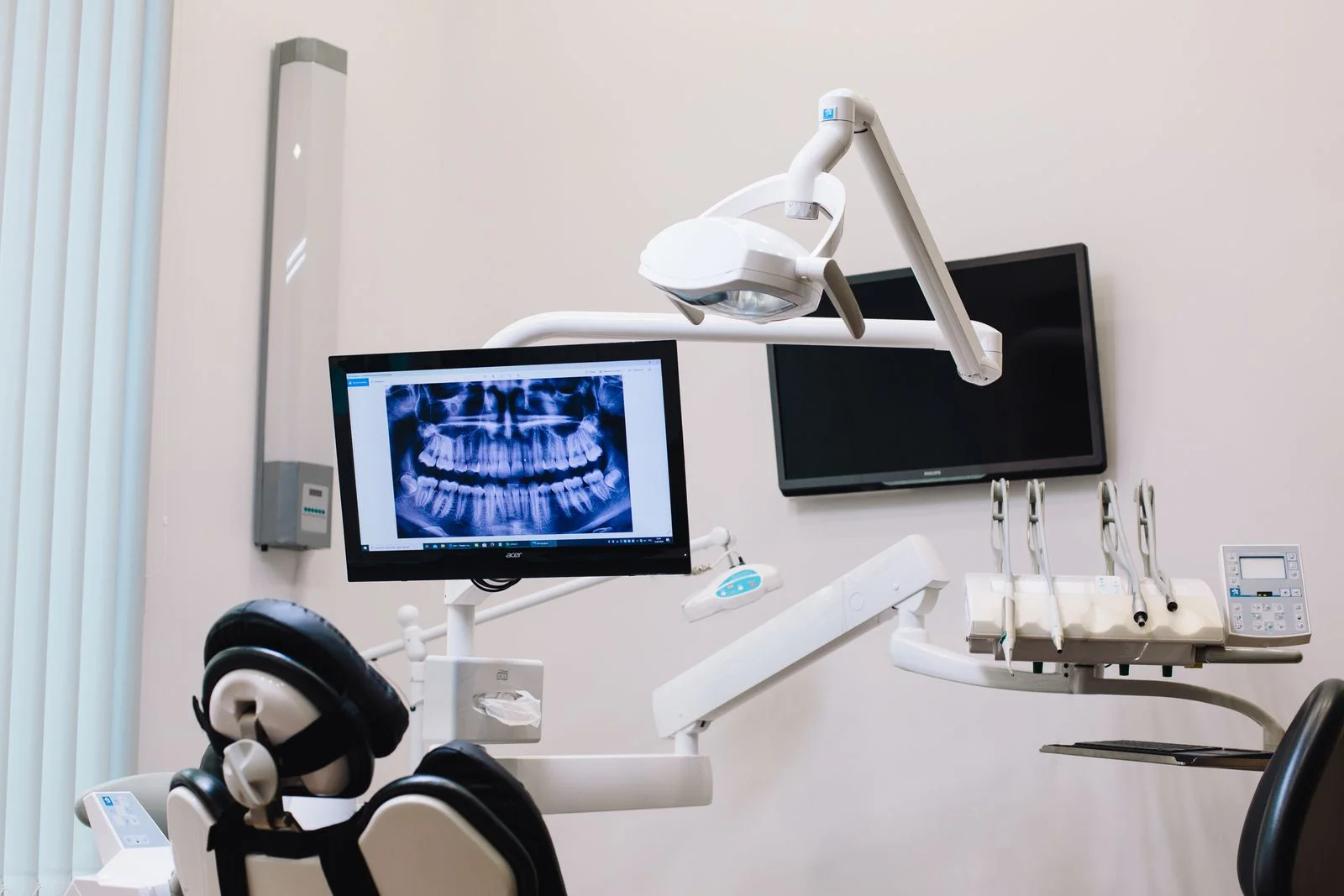


A clinic in Dubai should choose a marketing agency that can explain its actual services accurately and connect enquiries to a workable appointment process. Attractive content matters, but the agency also needs a clear approval route, suitable patient privacy practices and feedback from the people receiving enquiries. The marketing brief should follow the clinic's real capacity and clinical responsibilities.
This is a procurement framework, not a ranking of clinics or medical advice. LunaSol offers marketing services for clinics in Dubai. The business and its qualified professionals remain responsible for confirming clinical facts, service suitability and the approvals applicable to their work.
Decide which appointment journey needs attention
A new consultation, a follow-up appointment and a specialist referral are different journeys. Start with the service you want to make clearer or easier to access. Identify who can provide it, where appointments take place, how patients enquire and what reception needs to establish before booking. Do not promote availability that the clinic cannot reliably offer.
For an illustrative multi-speciality clinic, a campaign for one consultation type could require its own service explanation and enquiry routing. Sending every visitor to a general homepage may leave them unsure which professional to see or what happens next. The agency can improve communication, but it should not make clinical eligibility decisions through ad copy.
Questions to ask a clinic marketing agency
| Area | Ask the agency | What a useful answer includes |
|---|---|---|
| Relevant work | Show a complete healthcare project and explain your role | The actual assets delivered, responsibilities and limits of any results claim |
| Content review | Who approves clinical statements before release? | A named clinic reviewer and a recorded approval process |
| Production | How do you plan filming in an operating facility? | Locations, participants, permissions and a way to avoid exposing private information |
| Website | How will you improve the priority service page? | Exact information gaps, proposed changes and implementation ownership |
| Enquiries | Where do messages arrive and who responds? | A tested handoff to reception or the authorised team |
| Reporting | What happens after a lead is generated? | Separate counts for valid enquiries, booked and attended appointments where available |
A logo wall is not enough to answer these questions. A real film can demonstrate production quality; a published page can demonstrate how information is organised. Claims about patient growth need a defined period, denominator and explanation of attribution. Do not assume results from a different service, clinic or starting point will repeat.
Give the service page a clear job
The priority page should identify the service, the clinic location, the relevant qualified professionals and the practical appointment route. Explain what the clinic can responsibly say about the process, and have clinical content reviewed by the appropriate professional. Include factual information patients repeatedly ask reception, such as how to request an appointment or what information the team needs to direct an enquiry.
Keep professional biographies and service availability current. Distinguish general educational information from individual advice. Questions requiring assessment should lead to the clinical team, not an automated marketing promise. These are content and workflow recommendations; the exact medical and advertising requirements must be checked for the clinic's jurisdiction and circumstances.
Build approval into the production schedule
Dubai Health Authority publishes standards for medical advertising content on social media. That official reference was reviewed on 3 November 2026. Ask the clinic's responsible reviewer to confirm the applicable requirements before scripts, patient material or treatment claims are approved for publication.
Practically, the production brief should identify approved speakers, rooms and subjects. Record which participants and materials have permission for the intended use. Keep computer screens, paperwork and incidental conversations out of shot unless their inclusion is specifically appropriate and authorised. The marketing agency should not treat access to the building as permission to publish everything it sees.
Measure appointments without exposing medical details
Marketing reporting usually needs stage information, not a copy of a patient's medical history. Agree the minimum fields required to understand the funnel: source where known, relevant service category, enquiry status, booked appointment and attendance where available. Use aggregated or appropriately protected records and keep clinical details with the authorised clinical systems and team.
A low cost per enquiry can conceal an unsuitable audience or a broken reception handoff. Equally, missed appointments can reflect scheduling, capacity or other factors outside advertising. Review the whole route before attributing the outcome to one campaign change. If a number cannot be reconciled, keep it separate rather than turning it into a confident ROI claim.
Match the agency scope to the clinic’s actual bottleneck
A clinic can have a visibility problem, an explanation problem or an appointment-handling problem. These require different work. If prospective patients cannot find the clinic for relevant services, discovery and local information may need attention. If people arrive but cannot understand which service to enquire about, the page needs work. If suitable enquiries are not answered or assigned, buying more traffic can increase the operational problem.
Ask the agency to show evidence for its diagnosis. That might be the actual mobile page, a broken enquiry route, missing service information or an anonymised pattern from reception feedback. The first proposal should explain why its work addresses that problem. A standard list of social posts, ads and blogs is not enough to establish the connection.
A useful clinic service-page layout
The service page should help a visitor understand the appointment they are considering and reach the right team. It is not a substitute for an individual assessment. A practical layout begins with the service and location, then develops the information a patient can use before making contact. Ask the agency to work with the clinic’s approved facts instead of filling gaps with generic treatment claims.
| Page section | Useful content | What the agency should demonstrate |
|---|---|---|
| Opening answer | Service, clinic location and appropriate next step | A visitor can identify the page’s purpose immediately |
| Service explanation | Approved description of the consultation or service | The wording matches the clinic’s actual offer |
| Professional information | Current, accurately described relevant practitioners | Names and roles match the clinic’s maintained records |
| Appointment process | How to enquire and what happens afterward | The contact route reaches the correct team |
| Practical visit information | Location, access and current operating details | A mobile visitor can plan the visit |
| Useful evidence | Approved premises, team or process material | The content depicts what it claims to show |
| Patient questions | Non-personal questions the clinic can responsibly answer | Clinical questions have the appropriate review |
| Enquiry action | A clear invitation to contact reception or the relevant team | The action works and does not promise an unconfirmed appointment |
A simple test is to ask someone unfamiliar with the site to find the service, identify the location and explain how they would request an appointment. If they cannot do that, adding more paragraphs about the clinic’s commitment to excellence is unlikely to help. Correct the missing information or navigation first. Keep the enquiry button close to a useful explanation rather than making the entire page a repeated call to book.
Build a content plan from real reception questions
Reception often knows which practical questions recur before an appointment. Ask the team to collect themes without exporting private conversations. Separate logistical questions from questions requiring clinical judgement. The first group can often improve pages and short videos; the second needs an appropriate professional answer or a route to assessment. This gives the agency a useful editorial source without turning marketing staff into clinical advisers.
Useful non-personal subjects can include how to find the correct branch, how to request a particular consultation, what happens when reception receives an enquiry and how to contact the clinic about an existing booking. Have the clinic confirm its actual procedure. A video showing the entrance and reception route may be more helpful than another generic stock image of a smiling practitioner.
For educational clinical content, agree the question and reviewer before writing. Use the qualified professional’s approved explanation and keep any limitations that are necessary for accuracy. The agency can make the answer readable and well structured; it should not remove a qualification solely to produce a stronger marketing claim. Link related information to the relevant service rather than producing disconnected educational posts.
Plan filming around the patient experience
A production brief should identify the specific information the film must convey. A room walkthrough, a staff introduction and a practitioner explanation have different requirements. Decide whether the scene can be captured outside patient-facing activity, whether a demonstration is needed and who can confirm that the finished depiction is accurate. The camera plan should fit the operating clinic rather than force the clinic to improvise around filming.
For a practitioner explanation, prepare a short question guide rather than forcing a complicated script onto the speaker. Record the answer in manageable sections and capture supporting visuals that genuinely clarify it. Review professional names, roles and captions before delivery. If a presenter introduces the service, the film must not imply that the presenter is the treating professional.
A clinic can also use stock photography as an editorial illustration, provided the presentation does not identify it as its own premises, team or patient result. Real approved photographs and videos are more appropriate when the claim concerns the actual facility or staff. Ask the agency to label and organise the asset library so those categories do not become confused during publication.
Connect SEO and GEO to the clinic’s service information
Search and AI-discovery work should begin with accurate descriptions of the clinic, its services and locations. If the website, profile and older articles disagree about a practitioner or service, reconcile the facts before adding more content. Each page should have a distinct purpose. Separate genuinely different services when the patient needs different information, but avoid creating many near-identical pages with only the neighbourhood name changed.
Ask the agency to identify the kinds of questions it will observe. A patient seeking a clinic, a person researching a service and someone checking a named practitioner are different situations. A citation of an educational article is not automatically a recommendation of the clinic. The report should show the questions and sources behind its summary, with language and date kept visible.
Use appointment stages to find the real problem
Consider a hypothetical month with 60 valid enquiries, 30 booked appointments and 21 attended appointments. The enquiry-to-booking rate is 50%, while attendance among bookings is 70%. Those are different stages. Reporting 21 attended appointments out of 60 enquiries as 35% can describe the overall path, but it does not reveal where the clinic should investigate first. These numbers illustrate a method, not a clinic benchmark.
Inspect the reasons at each stage. Enquiries may be for a service the clinic does not provide, a time it cannot offer or a branch that is inconvenient. Bookings may be rescheduled or cancelled. The agency needs enough aggregate feedback to identify communication problems, while the clinic retains responsibility for appointment operations and clinical decisions. Avoid treating every non-attendance as evidence of poor advertising.
Prepare a clinic brief the agency can act on
Before requesting proposals, collect the approved service description, relevant practitioner information, current page links, actual appointment route and available production material. Identify one person who can answer operational questions and one who can review clinical statements. They may be different people. The agency should know whose approval is needed for each kind of change so that a routine page correction does not wait for an undefined group decision.
State the practical limits of the first campaign: the service being promoted, current capacity, supported contact languages and any booking conditions reception needs to explain. Do not let a translated advertisement imply that every appointment can be conducted in that language. The published promise should match the clinic’s actual arrangements, and the receiving team should know which language version brought the enquiry.
Ask for a proposal that identifies the first deliverable and its acceptance criteria. For example, a service-page improvement can be accepted when the approved facts are live, both language versions are complete, mobile navigation works and the enquiry reaches the correct team. A content shoot can be accepted against the approved scene list and final versions. Those checks make delivery assessable without requiring an immediate claim about patient growth.
This preparation also helps compare costs. If one agency assumes the clinic supplies every video while another includes filming, the quotations represent different work. Resolve the differences before negotiating the headline fee. The objective is a complete, manageable first scope that the clinic can support and the agency can actually implement.
Questions about hiring a clinic marketing agency
Should we choose an agency only because it has healthcare logos?
No. Ask what the agency actually delivered and inspect relevant finished work. Confirm who prepared and approved clinical content, who implemented the website changes and how enquiries were handled. A recognisable client name does not explain the agency’s role or establish that its process fits your clinic.
Do we need to publish a medical article every day?
Only publish at a pace that supports useful, accurate and appropriately reviewed content. Start with the clinic’s priority services and recurring patient questions. Repeated generic posts do not solve missing service information. The editorial plan should include updating important existing pages as well as creating new material where it adds value.
Can marketing software decide which treatment someone needs?
A marketing enquiry flow should route people appropriately, not substitute for clinical assessment. Keep the scope of any automated message clear and let the authorised clinic team handle questions that require professional judgement. The agency can improve communication and appointment routing while respecting that boundary.
What should our first agency project be?
Choose one service journey with an identifiable problem and a named clinic owner. A useful initial project might combine a revised service page, approved explanatory content and a tested reception handoff. Agree acceptance conditions before launch so you can assess delivery even while longer-term discovery and appointment outcomes are still developing.
Brief the first piece of work
Start with one priority service, its approved facts, current enquiry route and the bottleneck you want to resolve. Ask the agency for a scope that states the content, page changes, production and measurement it will actually deliver. A defined first project is easier to evaluate than a promise to increase every service line at once.
Send that brief through LunaSol's clinic marketing page. Include the person who approves clinical information and the person responsible for reception follow-up. Our general agency selection guide covers the wider commercial checks, while the clinic-specific questions above keep the discussion relevant to patient enquiries and responsible delivery.