


A location page should help a customer choose and reach the correct branch of a Dubai business. It earns its place by explaining real differences: address, opening hours, available services, team or booking route. Changing a neighbourhood name in otherwise identical copy does not give the customer much help.
For local SEO work, distinguish a real branch from an area the business merely serves. A service-area explanation can be useful, but it should not imply that the business has a staffed premises in every place mentioned.
Build the page from a branch fact sheet
| Fact | What to verify with the branch |
|---|---|
| Identity | Correct branch name and relationship to the business |
| Location | Accurate address and map destination |
| Access | Entrance, floor or practical arrival information where useful |
| Hours | Current operating hours and relevant exceptions |
| Services | What is actually available at this branch |
| People | Approved team information that helps the customer decide |
| Contact | The number, form or booking route that reaches the right team |
| Evidence | Current photographs or work relevant to this location |
| Maintenance | Who confirms changes and updates the page |
Do not pad the page with a generic history of the neighbourhood merely to make it longer. Include local context when it changes the visit or service decision. A precise entrance description can be more valuable than several paragraphs about Dubai's growth.
Keep the branch and service structure connected
The main service page can explain the shared offer, while branch pages explain availability and practical differences. Link between them where that helps the buyer. If a service is available at only one branch, make that limitation clear before the enquiry. Do not send every branch visitor into a booking system that silently defaults to another location.
When comparing website pages with Google Business Profiles, use Google's business representation guidelines. Profile eligibility and location information should reflect the real operation. Creating a website page does not by itself make a location eligible for a separate profile. Check the applicable rules before adding or changing profiles.
Avoid pages that exist only to repeat a keyword
Google's spam policies address doorway pages created for similar searches and scaled content intended to manipulate rankings. The practical editorial test is simple: would the page still help someone if they arrived from a direct link? If it provides no meaningful local information, improve the coverage explanation or consolidate the page where appropriate.
Separate branch information from service-area information
A branch page describes an actual operating location and the customer experience connected to it. A service-area page explains where a business can deliver work. These are different propositions. A home-services company may cover several Dubai areas without receiving customers at a separate office in each one. Its website should explain coverage accurately instead of presenting every neighbourhood as a branch.
Start the page map from a verified list of locations and the services available at each. Ask operations to confirm which places customers can visit, which routes are by appointment and which contact destination belongs to each location. Keep proposed future branches separate from current ones. The marketing team should not infer a public location from a sales territory or a mailing address.
Identify what changes for the customer at each branch
Two branches can share the same brand and still need different information. Services, staff, hours, access and appointment availability may vary. Ask the branch team which questions customers repeatedly ask before arriving. The most useful page content often comes from those practical questions rather than a generic description of the surrounding area.
For a fictional Dubai business with one branch in Business Bay and another in Dubai Marina, the main task is to make the actual choice clear. If a particular service is available only at one branch, say so beside the relevant service and booking action. If the two branches have different enquiry teams, preserve the selected location through the handoff. Do not make the customer discover the difference after contacting the wrong team.
A branch does not need a completely different service description merely to appear unique. Shared facts can remain consistent while the page adds the local information that matters. The useful distinction comes from the operation, not from replacing words with synonyms. Keep the shared service page as the reference for the core offer.
Use a practical branch-page layout
Open with the branch identity and the services the customer can access there. Follow with current location and arrival information, useful evidence and the correct next step. Put important exceptions near the decision they affect. If a service requires an appointment, that information belongs beside the booking route rather than in a distant general FAQ.
| Section | Useful content | Acceptance question |
|---|---|---|
| Branch opening | Name, actual location and service purpose | Can the visitor identify the right branch immediately? |
| Available services | Current local availability with links to fuller explanations | Is any service limitation clear before contact? |
| Arrival | Verified address, map and relevant access details | Can a visitor reach the intended entrance? |
| Hours | Current operating information supplied by the branch | Does it match the actual customer-facing operation? |
| Evidence | Current branch images or relevant work | Does the page show what it claims to show? |
| Contact | Correct branch enquiry or booking destination | Does the selected branch survive the handoff? |
| Related options | Other branches where useful | Can a customer choose an alternative without confusion? |
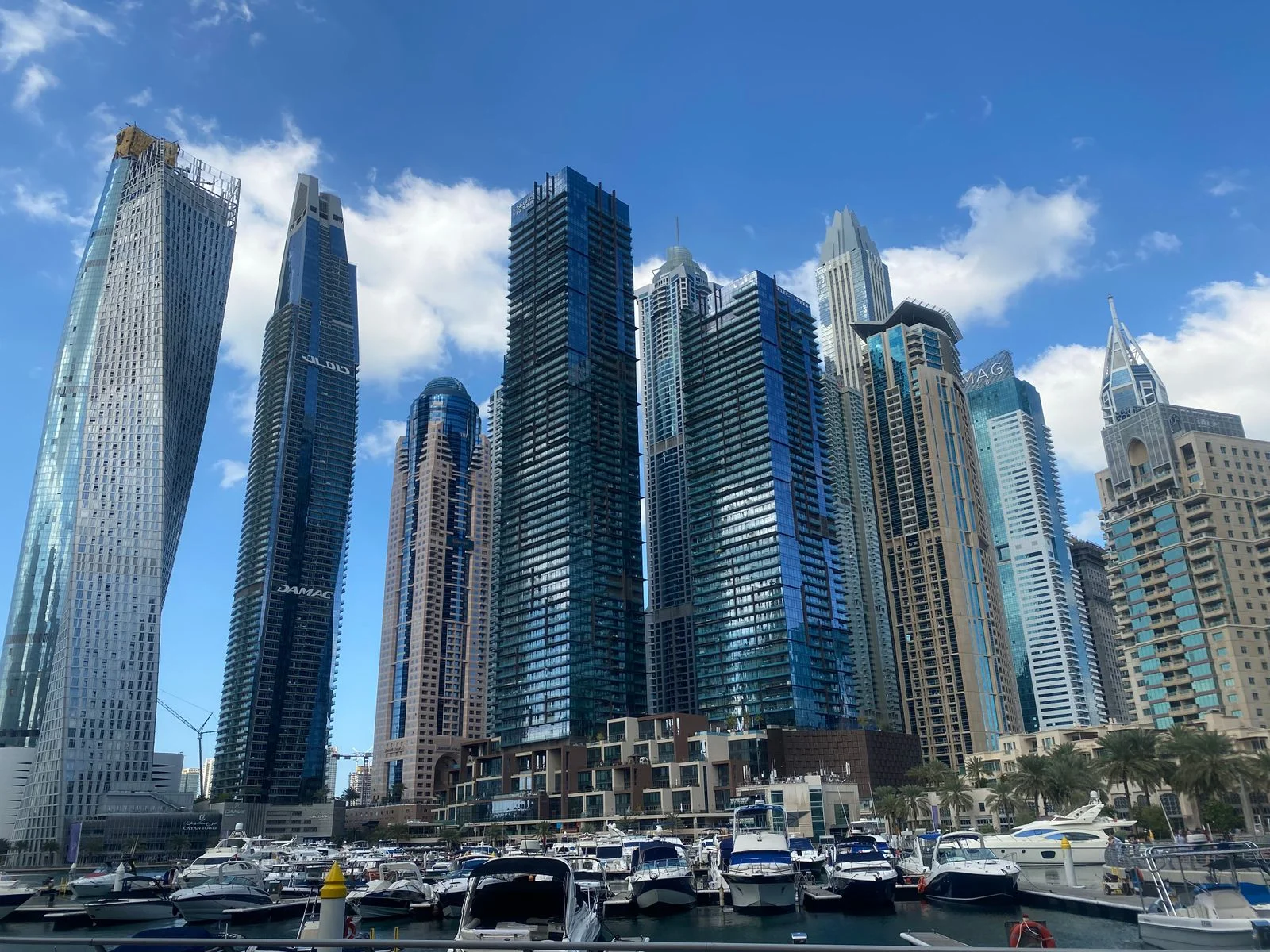
Use current photographs of the actual location when the page is presenting branch evidence. A Dubai skyline image can illustrate the wider setting, but it should not be labelled as the premises. If the entrance is difficult to recognise, a clear approved entrance photograph may help more than another decorative city image. Keep the distinction between illustration and location evidence visible.
Check the whole route from page to receiving team
Start on each branch page and complete the main contact action using a labelled test. Confirm which number, form or booking destination opens. Verify that the receiving record contains the intended branch and service context. If the business uses one central team, that team still needs to know which location the customer selected.
Test the alternative route as well when the page offers more than one contact option. A correct form does not prove that the WhatsApp button uses the same branch. Check any preselected booking location and the wording shown to the customer. The page and destination should not silently disagree about where the appointment will take place.
For multilingual pages, repeat the routing checks in the supported languages. Branch names and location facts may remain the same, but labels, confirmation text and service explanations need to be coherent. A translated page should not send the visitor back to a generic destination that loses the location they just selected.
Maintain branch facts through a simple change process
Assign a person at the business who can confirm changes to hours, services, contact details and access. The website editor needs a clear source for those updates. Keep a list of the public places the business controls where the same facts appear, such as branch pages, contact pages and business profiles. Review the relevant destinations together when a fact changes.
If a branch moves, separate the new operating facts from the treatment of the old page and links. Customers may still arrive through saved messages, search results or printed material. Ask the website team to explain the intended transition and test it. Do not leave two contradictory pages that both appear to describe the current location.
If a service becomes unavailable at one branch, update the relevant page and booking route before continuing a campaign that promotes it there. The appropriate alternative may be another branch or a different next step, depending on the business. The customer should understand that choice rather than being redirected without explanation.
Review local performance by meaningful branch outcomes
Where the records support it, compare relevant enquiries and completed bookings by branch. Keep service availability and capacity in mind. A branch with fewer enquiries may be operating a different offer or already have limited appointment space. The report should help identify whether the next improvement belongs to discovery, page information, routing or operations.
Use customer questions as maintenance evidence. Repeated requests for the entrance, opening hours or service availability may reveal that the page is missing or hiding important information. A specific correction can be more valuable than adding another neighbourhood article. Keep local content connected to the practical decision of choosing and reaching the right operation.
For GEO review, test questions that depend on the branch distinction: which location offers the requested service, where a customer should book and which published address belongs to that operation. Inspect the answer and any cited page. If the business is named correctly but the location is wrong, check the underlying website and controlled public facts before publishing more promotional content. Record the specific mismatch and retest the same question after correction. A general increase in brand mentions would not by itself show that the branch problem has been resolved.
Questions about location pages for Dubai businesses
Does every area we serve need a separate page?
Only when there is useful distinct information to publish. A truthful service-area explanation may answer the customer’s question better than many repetitive pages. Do not imply a branch in an area where the business only travels to deliver work.
Can branches share the same service description?
They can share facts that are genuinely the same. The branch page should still explain local availability, location and contact details. Do not force artificial differences into the copy, and do not hide real differences merely to reuse a template unchanged.
What should a local SEO agency deliver for branch pages?
Ask for a verified branch inventory, a sensible page map, accurate content and tested routing, with clear responsibility for ongoing facts. Include the relevant technical review in the implementation scope. A list of neighbourhood keywords alone does not establish that customers can choose and reach the correct branch.
Test routing and maintain the facts
Run an enquiry for each branch and confirm receipt with the correct team. Review location details when hours, services or staffing change. If a branch closes or moves, plan the website and profile changes together instead of leaving contradictory destinations online. Use our SEO scope guide to define responsibilities, and bring the branch list to our SEO service page for a discussion of the site structure.